
Enough is a Feast
Ruth has five children. She makes a will leaving the whole of her estate to all of her children equally.
When Ruth passes away, her estate is valued at $1.5 million.
Ruth’s youngest son, Roger, makes a family provision claim against the estate, seeking a right to reside in Ruth’s home for life and in the alternative, the sum of $900,000. The executor, Ruth’s eldest child is named as the defendant.
The evidence indicates that Roger moved in with Ruth, 15 years before she passed away. She made her last will 10 years before she passed.
The Judge is satisfied that Ruth’s will reflected her intentions and that she intended for her estate to be distributed equally between her children up until the day she passed. The Judge notes that Roger did not pay rent for 5 years and only provided occasional support to his mother. Although Roger adduced evidence that he had several health concerns, the Judge was not satisfied that he was suffering from a “disability”. The Judge accepts that Roger had no significant assets at the age of 50 years.
Nonetheless, the trial judge decides that in the circumstances, including the fact that her other children were relatively financially comfortable, Ruth had a moral obligation to make greater provision for Roger and rules that he is to receive $600,000 out of the estate, plus legal costs. This award is made up of the sum of $300,000 to purchase a one bedroom unit and $300,000 to meet “contingencies”. The rest of the estate is to be divided equally among Ruth’s other children.
Roger is not satisfied with the decision and files an appeal.
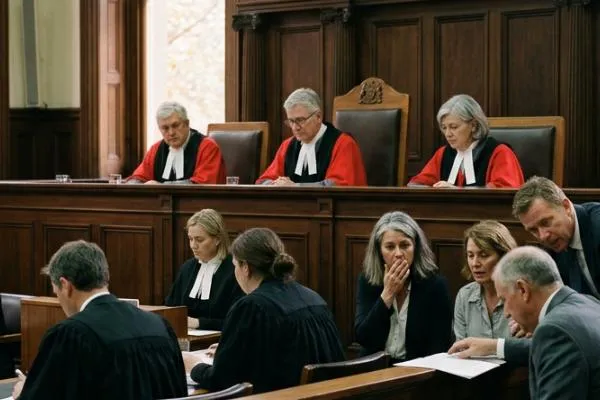
The matter is reheard before three Supreme Court Judges and one month later, their decision is handed down. The Court of Appeal agrees with the trial Judge and declines to increase Roger’s provision.
As a result, Roger is ordered to pay the legal costs of the Appeal, effectively reducing his provision, in terms of the net result, from $600,000 to $450,000.
Email Manny Wood, Principal Solicitor and Accredited Specialist in Wills and Estates at TB Law at [email protected] or call him on (02) 66 487 487.
This fictional column is not legal advice.